Debunking Common Misconceptions About Kink and BDSM
- Kieran Fitzpatrick
- 3 December 2025
- 0 Comments
People often confuse kink with abuse, chaos, or something dangerous - but that’s not what it is. Kink isn’t about power over someone. It’s about power shared. The biggest myth? That people who explore kink are broken, damaged, or acting out trauma. That’s not true. Most people who engage in consensual kink do so because it brings them joy, connection, and deeper trust. And no, it’s not a phase. For many, it’s a lifelong part of how they experience intimacy. You might have seen ads for escort service dubai online and wondered if that’s what kink looks like. It’s not. Commercial sex work and consensual power exchange between adults are two completely different things. One is transactional. The other is relational.
Let’s clear up the noise. Kink isn’t a trend. It’s not something you do because you’re bored or trying to be edgy. It’s a deliberate, negotiated practice. People who engage in it aren’t wild or unpredictable - they’re often some of the most communicative, self-aware individuals you’ll meet. That’s because safety and consent aren’t optional in kink. They’re the foundation. Without them, it’s not kink. It’s assault.
Myth: Kink Means No Limits
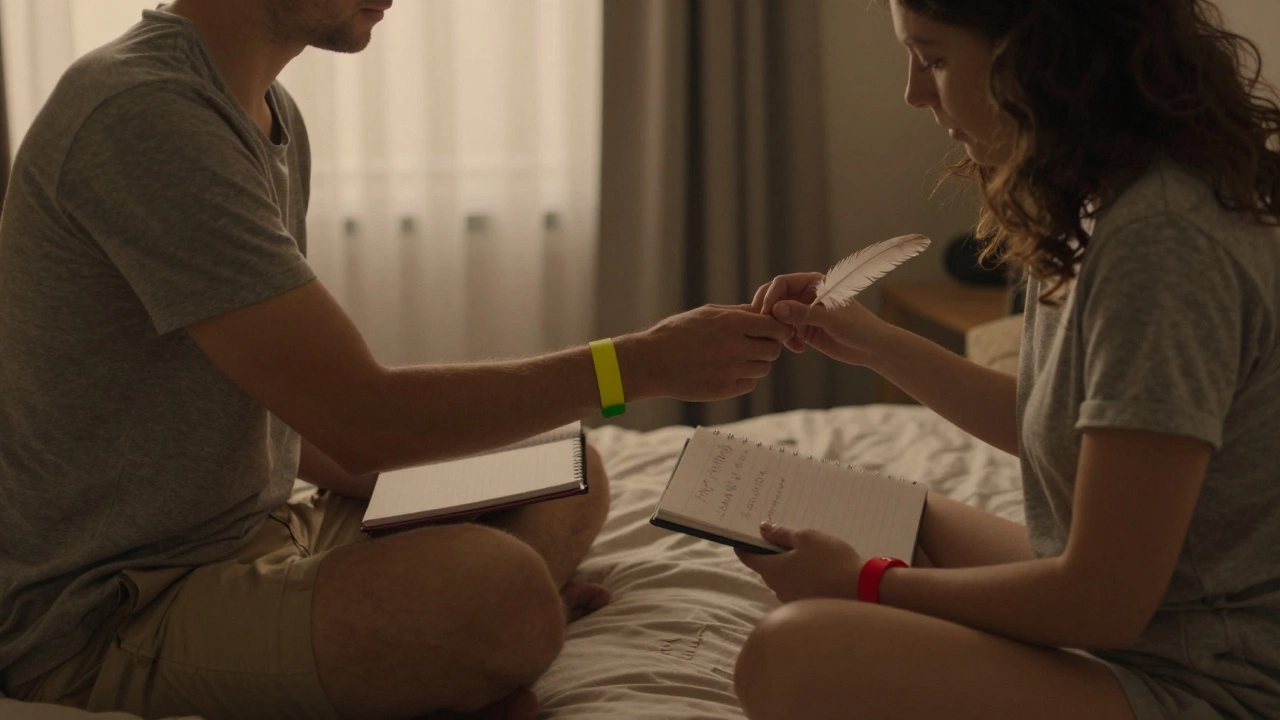
One of the most dangerous assumptions is that people who like kink don’t have boundaries. That’s backwards. The opposite is true. People who practice kink are hyper-aware of limits. They spend hours talking about them before ever touching. They write them down. They use color-coded systems - green for go, yellow for slow down, red for stop. These aren’t gimmicks. They’re lifelines. A study from the Journal of Sexual Medicine in 2023 tracked over 4,000 people who identified as kinky. The vast majority reported having at least three clearly defined limits before any scene began. Many had five or more. The idea that kink is chaotic? That’s the myth. The reality? It’s structured, intentional, and deeply respectful.
Myth: Kink Is Only About Pain
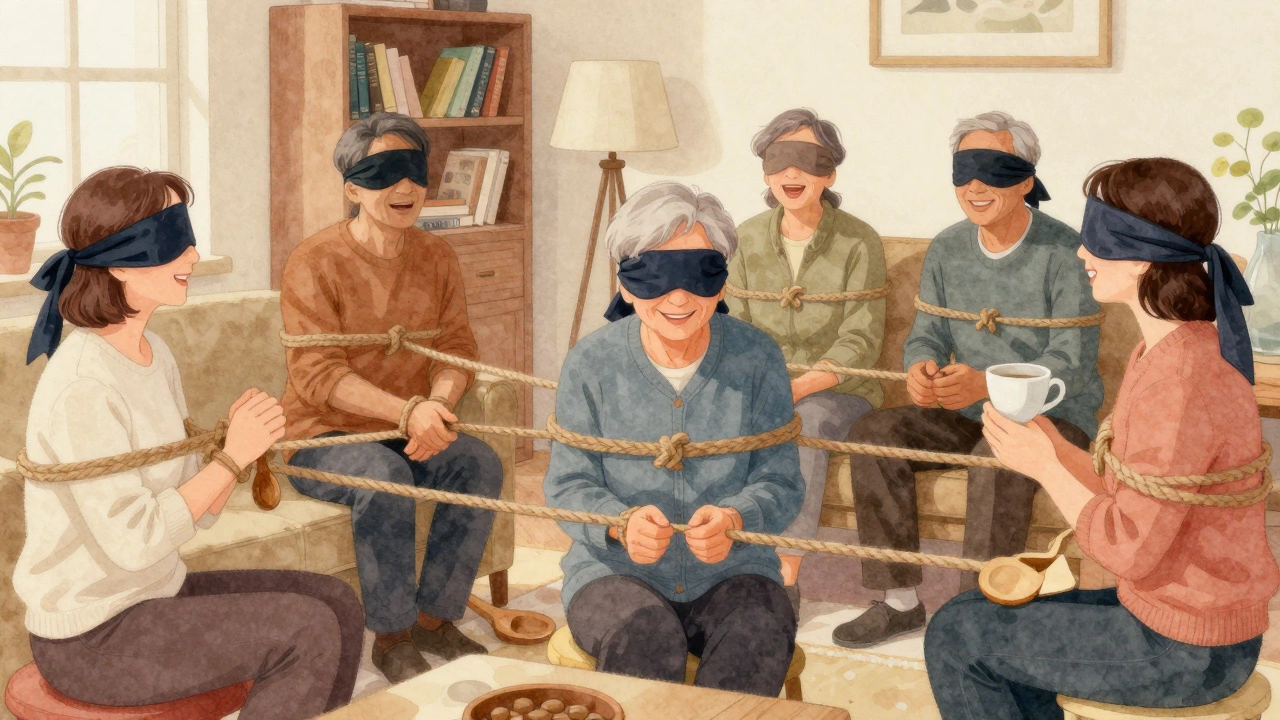
When people hear the word “kink,” they immediately think of whips, chains, and pain. That’s a narrow, media-driven stereotype. Kink includes bondage, roleplay, sensation play, service submission, humiliation, and even something as simple as wearing a specific outfit that makes someone feel powerful. Some people enjoy being tied up. Others enjoy being told what to do. Some like being blindfolded and fed strawberries. Others like being called names - but only if it’s pre-negotiated and safe. Pain is just one tool in a huge toolbox. And for many, it’s not even the main one. A 2024 survey by the Kink Aware Professionals Network found that only 28% of participants ranked pain as their top attraction. The rest cited emotional connection, trust, or the thrill of surrender.
Myth: Kink Is Rare
You might think you’re the only one who likes this stuff. You’re not. A 2024 study published in Archives of Sexual Behavior found that 52% of adults in the U.S. and Canada have engaged in at least one kink activity in their lifetime. That’s more than half. In Australia, where I’m based, a 2025 survey by the Sydney Sexual Health Institute showed similar numbers - 49%. And that’s just what people admitted to. The real number is likely higher. Kink isn’t hidden in basements or underground clubs. It’s in bedrooms, in text messages, in couples’ therapy sessions, and in quiet conversations between partners who finally feel safe enough to be honest. You’ve probably met someone who’s kinky and didn’t even know it.
Myth: Kink and Mental Illness Go Together
For decades, kink was pathologized. The DSM (Diagnostic and Statistical Manual of Mental Disorders) once listed consensual BDSM as a disorder. That changed in 2013. The American Psychiatric Association removed it after reviewing decades of research. They found no link between consensual kink and mental illness. In fact, people who practice kink often score higher on measures of emotional intelligence, communication skills, and relationship satisfaction than those who don’t. A 2022 meta-analysis of 17 studies showed that kinky individuals were no more likely to have anxiety, depression, or trauma than the general population. And when they did, it wasn’t caused by their kink - it was unrelated. Kink doesn’t cause mental health issues. It often helps people heal from them.
Myth: You Can’t Be Religious and Be Kinky
There’s a belief that if you’re spiritual or religious, you can’t explore kink. That’s not true. Many people who are deeply religious also engage in consensual kink. They find ways to reconcile their beliefs with their desires. Some see their kink as a form of sacred surrender. Others view it as a private, intimate expression of love that doesn’t conflict with their faith. There are Christian, Muslim, Jewish, and Buddhist kink communities around the world. They meet in safe spaces, online forums, and local support groups. The idea that religion and kink are incompatible? That’s a cultural myth - not a fact.
Myth: Kink Is Only for Young People
Think kink is just for 20-somethings trying to rebel? Think again. The fastest-growing group in kink communities right now? People over 50. A 2025 report from the Global Kink Alliance found that 37% of new members in kink groups were over 50. Many of them spent decades suppressing their desires because they thought it was wrong or shameful. Now, with more open conversations and better access to information, they’re finally exploring what feels right. One woman in her late 60s told me she started exploring bondage after her husband passed away. “I didn’t want to be lonely,” she said. “I wanted to feel alive again.” That’s not a phase. That’s a reclamation.
Myth: Kink Is Always Sexual
Not every kink act is about sex. Some people enjoy service kink - doing chores, making tea, or dressing their partner in a specific way - and it has nothing to do with arousal. Others enjoy pet play, where one person takes on the role of a dog or cat. There’s no sex involved. Just care, play, and connection. There’s also financial domination, where one person gives money to another as part of a power exchange. Again, it’s not about sex. It’s about control, trust, and ritual. Kink is about the emotional and psychological experience - not the physical act.
And yes, you might see ads for escortdubai and think they’re connected. They’re not. Kink communities don’t promote or endorse commercial sex work. The two operate under completely different rules. One is about mutual consent and ongoing communication. The other is a service transaction. Confusing them does a disservice to both.
Myth: Kink Is Dangerous
People worry about safety. And rightly so. But here’s the thing: kink communities are among the most safety-conscious groups you’ll find. They teach risk-aware consensual kink (RACK) and safe, sane, and consensual (SSC) principles. They have online forums where people share aftercare tips. They host workshops on rope safety, first aid for impact play, and how to recognize signs of nerve damage. There are even apps designed to help people track their limits and check in with partners after scenes. The real danger isn’t kink. It’s ignorance. People who don’t know how to communicate, negotiate, or stop are the ones at risk. Those who do? They’re safer than most couples who never talk about boundaries at all.
And then there’s the myth that kink leads to violence. There’s zero evidence of that. In fact, a 2023 longitudinal study in the UK followed 1,200 kinky individuals over five years. None of them were arrested for assault. None of them reported perpetrating non-consensual acts. Meanwhile, the rate of domestic violence among kinky individuals was lower than the national average.
Here’s the truth: kink doesn’t make people dangerous. It makes them more aware. More honest. More responsible.
Myth: You Need Special Gear
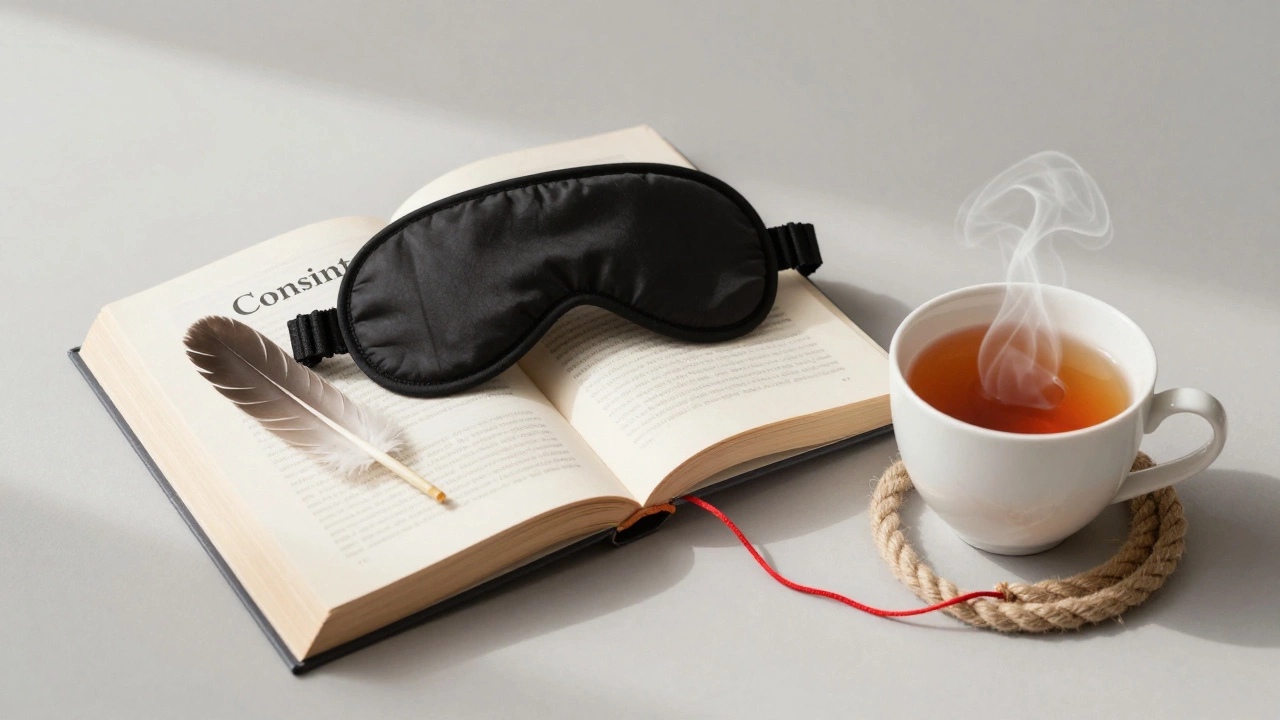
You don’t need a dungeon, a whip, or a leather harness to start exploring kink. Many people begin with just a blindfold, a feather, or a simple rope. Others start with roleplay - pretending to be a boss and employee, or a teacher and student. Some use a timer to create a power dynamic without touching at all. The tools aren’t what matter. The mindset is. It’s about consent, communication, and curiosity. You can start tonight. Just ask your partner: “What’s something you’ve ever wanted to try - even if it feels weird?” That’s all it takes.
And if you’re not in a relationship? That’s fine too. Kink isn’t just for couples. Many people explore solo kink - fantasy journaling, sensory play with household items, or using a vibrator with a specific ritual. It’s still valid. It’s still kink.
So if you’ve been holding back because you thought you needed to look a certain way, act a certain way, or have the right gear - let that go. You already have everything you need.
And yes, you might have seen ads for scort dubai and wondered if that’s part of the scene. It’s not. Those are paid services. Kink is about connection - not payment. Don’t confuse the two.